September 28, 2026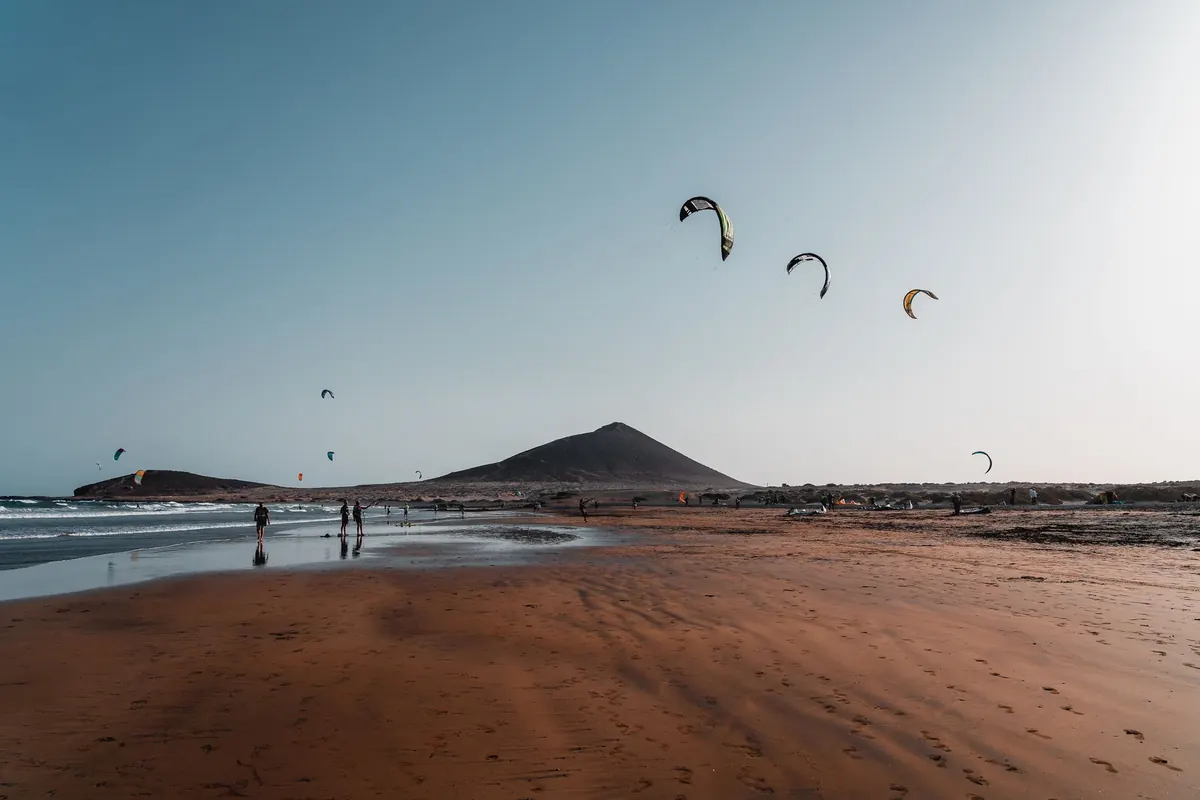
A diamond kite on a breezy beach is one of the cheapest good afternoons you can have. A delta flown from the same spot will usually spend more time in the air and less time nose-diving into the sand.
Both shapes get sold as beginner kites, and both can be right. The answer depends on where you fly, what the wind is doing there, and how much fiddling you are willing to put up with.
The short answer
If you want the easiest possible start and you fly inland, buy a delta. If you fly on an open coast with a steady breeze, want something cheap and classic, or you are buying for a child, a diamond is still a fine choice.
Deltas are more forgiving. Diamonds teach you more about wind, because you have to pay attention.
Diamond kites: the shape everyone draws first
A diamond is a flat sail stretched over a spine and a cross spar, with the cross spar bowed back slightly to give the fabric a curve. It is essentially a plate held into the wind. The kite climbs until it reaches its flying angle, and it stays there as long as the wind stays steady.
Take away the steady wind and a diamond loses its balance. A gust lifts one wing, the kite rotates, and down it goes. That is why diamonds come with tails. The tail is not decoration — it is drag, holding the trailing edge down and stopping the spin.
Where a diamond works well
- It is inexpensive, packs flat, and can be repaired with tape and a spare spar.
- It is honest. Fly it badly and it falls; fly it well and you feel the reason. New flyers learn quickly.
- A steady coastal breeze of around force 2 to 4 suits most diamonds nicely.
- Small, light versions are excellent first kites for children, with an adult handling the line.
Where it struggles
In a park ringed by houses, trees and fences, the air arrives in lumps rather than streams. A diamond will loop, dive and tangle its tail while you watch helplessly. On a still summer evening below about 5 mph, most diamonds simply will not stay up. Tails also knot in the bag, soak up dew and snag on grass, which gets tedious after the third launch.
Delta kites: the beginner's default
A delta has a triangular sail, swept-back leading edges and usually a keel hanging underneath. The keel does the job of a tail by acting as a fin, and the shallow V built into the sail — the dihedral — makes the kite want to return to level after a knock. Gusts spill off those swept tips instead of flipping the whole thing.
A well-made delta will fly in anything from a light force 1 up to a brisk force 4, which covers a large share of British afternoons. It launches from the ground, sits at a high angle on the line so you can feel the pull, and if it lands, it often flicks straight back up.
Why beginners get on with them
Set-up takes a minute, the kite self-corrects, and you can launch and land it alone without a helper running across the field. That last point matters more than it sounds. Most frustrating first sessions end because nobody was free to hold the kite while the flyer walked back.
The trade-offs
Deltas cost more than a cheap diamond, take up more room in the car, and a large one pulls hard enough in a strong breeze to make you think about gloves. Cheap examples with flimsy spars lose their shape in a gust, which is where the famous delta stability disappears. Buy from a shop that stocks spare spars and you will get years out of it.
Head to head
- Stability: delta, comfortably. Diamonds correct only when the wind is even.
- Wind range: delta again — usable in lighter air and coping better with gusts.
- Light-wind flying: delta. A diamond below 5 mph is usually a lost cause.
- Cost and simplicity: diamond. Fewer parts, lower price, easier repairs.
- Learning value: diamond. Nothing teaches wind direction and gusts faster.
- Packing and travel: diamond. It will fit in a rucksack pocket.
- Tails: diamond needs one; a delta generally does not, though a streamer helps in messy air.
What UK weather does to that choice
Inland flying is the deciding factor. Parks, playing fields and country show grounds sit among trees, buildings and warm patches of tarmac, all of which chop the wind into swirls. Deltas shrug this off. Diamonds do not.
On the coast, an onshore breeze arriving over open water is about as clean as wind gets in Britain, and a diamond flies beautifully in it. Beach flying is where the classic shape earns its reputation. Wherever you are, check the forecast before you load the car and give yourself a realistic window. A steady 8 to 12 mph is the sweet spot for a beginner of almost any age.
Five things that make either kite fly better
- Read the wind before you unpack. Grass bending, flags lifting and leaves moving tell you more than a phone screen.
- Stand with your back to the wind, hold the kite up, let the line run out as it climbs, and walk backwards slowly rather than sprinting.
- Keep a little tension in the line at all times. Slack line is how kites fall out of the sky.
- Tune before you blame. If it stalls, check the bridle setting; if it spins, add tail or shift the tow point.
- Land on purpose. Walk towards the kite while taking in line, and catch it rather than letting it crash.
So which should you buy?
For most UK beginners, start with a delta of roughly 1.2 to 1.5 metres across. It will fly on more days, in more places, with less swearing. Then add a small diamond — they cost very little — for steady beach days, for children to hold, and for the simple pleasure of watching a tail draw loops against a grey sky.
Whatever you fly, keep well clear of overhead power lines, roads, crowds, and airfields, follow the CAA's guidance and any local park bylaw, and give bigger kites the respect their pull deserves. Check your line for fraying before each session, and never fly near a thunderstorm building on the horizon.
Two kites in the bag, one for gusts and one for gentle evenings, and you will fly far more often than someone who owns only one.
Photo: Pawel Kalisinski / Pexels